See the whole person
A person’s history matters, but it does not have to define the limits of their future.
Founder & Executive Director
A sociologist, author, lecturer, urban trauma specialist, and the founder of SCRIP, Edward combines lived experience with disciplined program design to help people rediscover who they are.
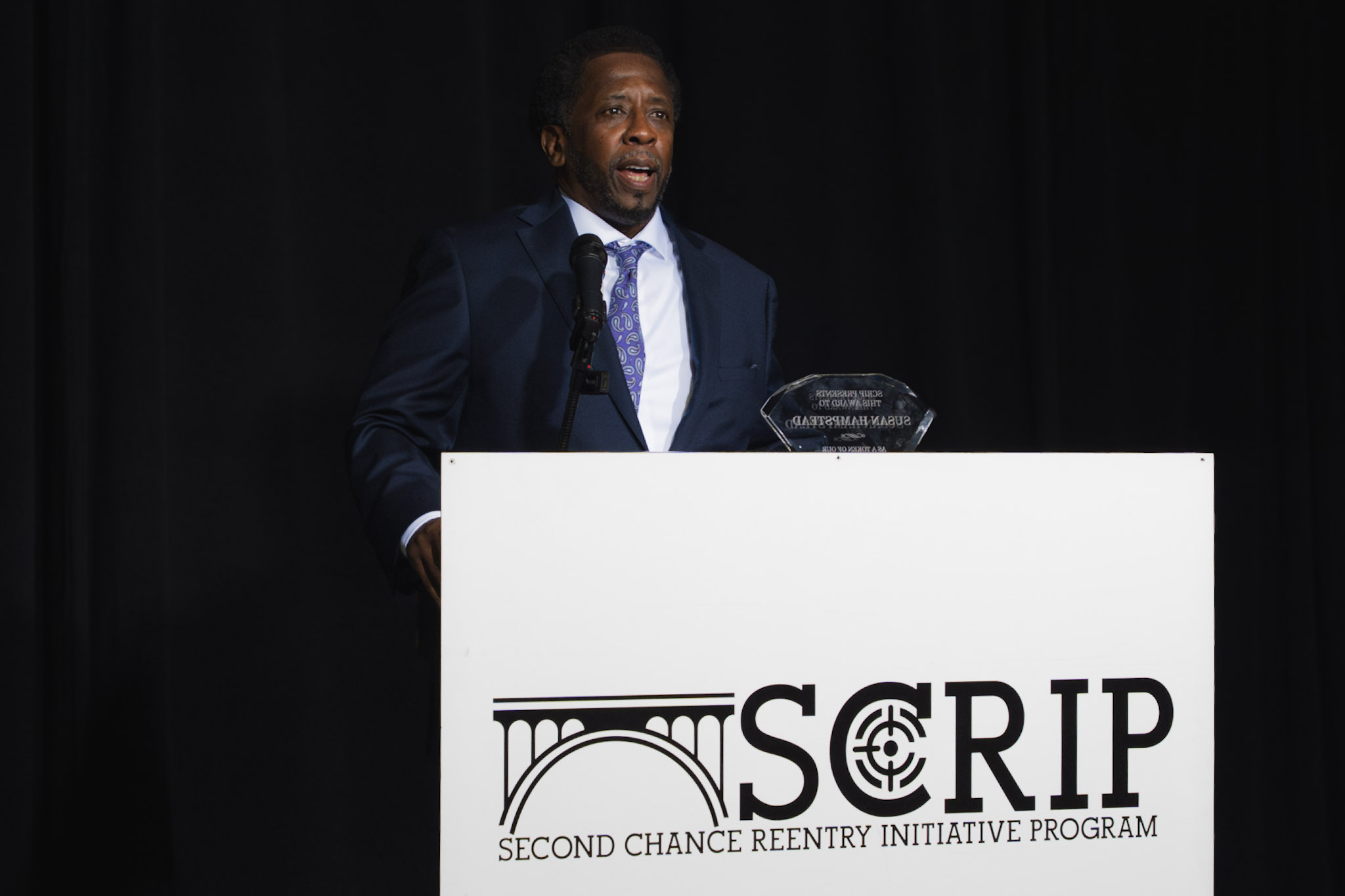
“I created SCRIP so people would have more than a way home. They would have a way forward.”
The story behind the mission
After serving 22 years of incarceration and returning home in 2016, Edward understood that freedom alone does not remove the barriers people carry with them. Trauma, broken relationships, stigma, unemployment, unstable housing, and limited support can make reentry feel like another sentence.
In 2019, he founded SCRIP to create the kind of coordinated pathway he knew was missing—one that addresses behavior and healing while connecting people to education, counseling, employment, housing, mentorship, and community.
That vision grew into ASCEND, SCRIP’s structured behavioral intervention system, and a family of programs serving adults and young people across correctional and community settings.
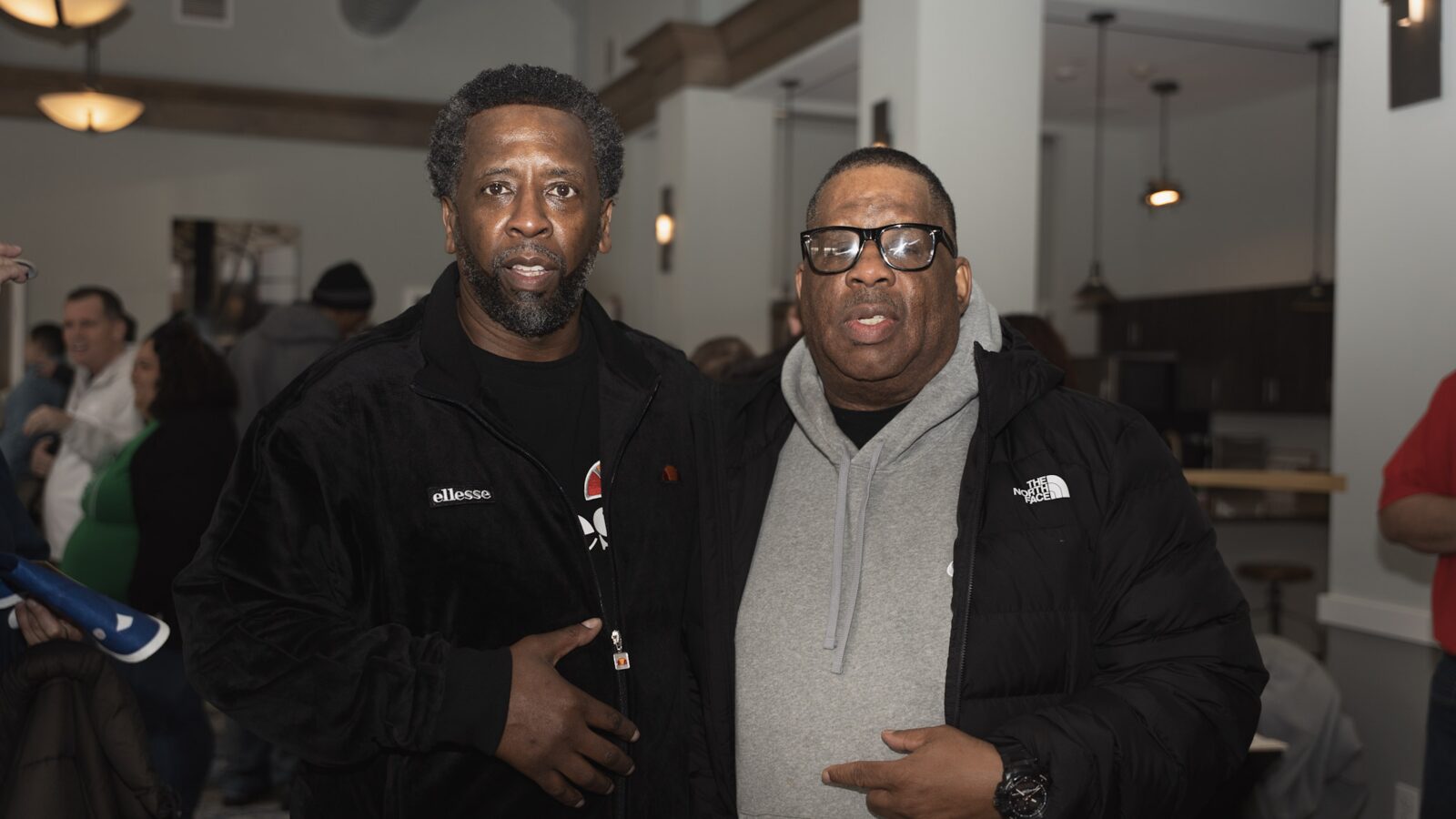
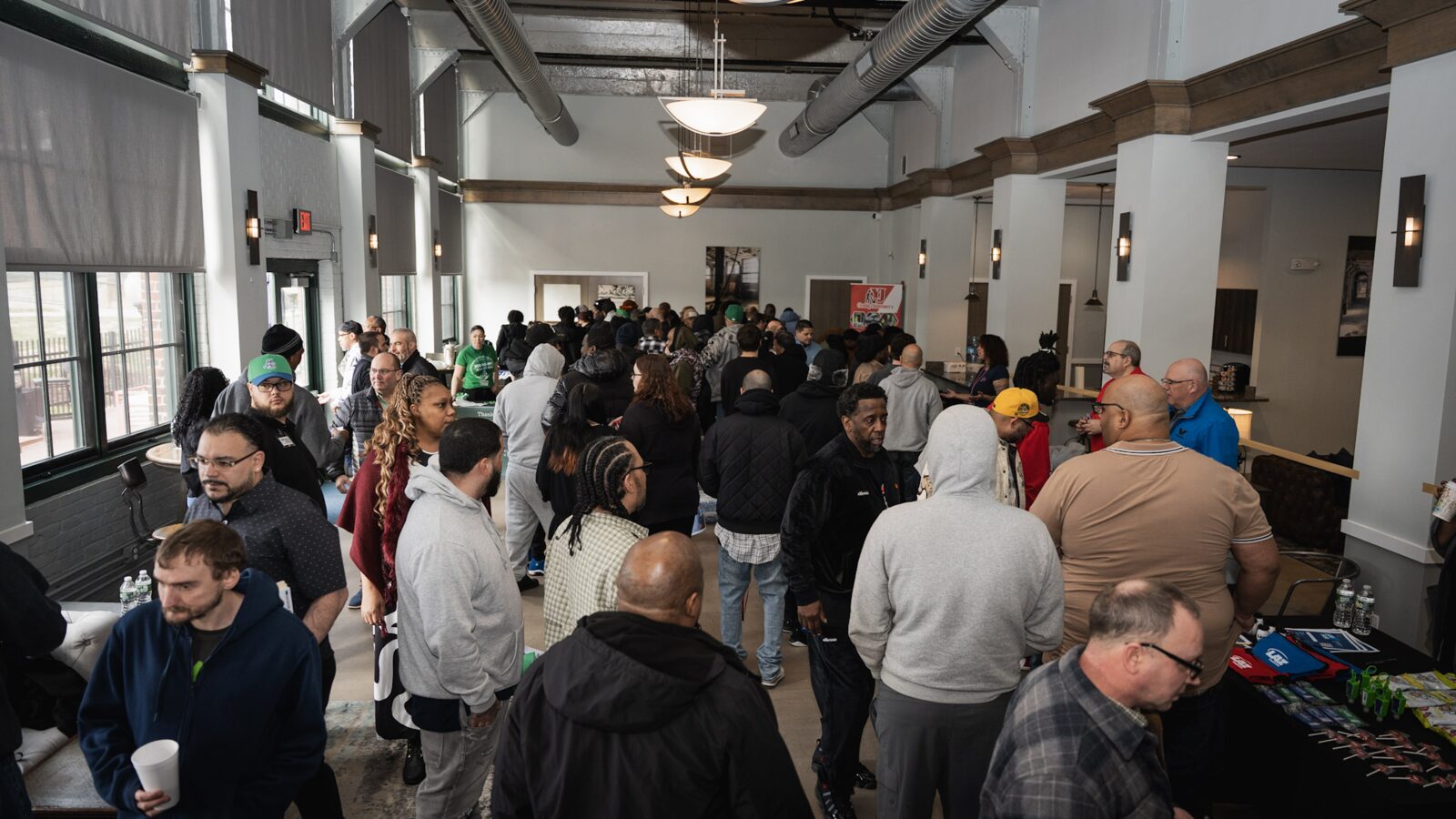

Leadership & recognition
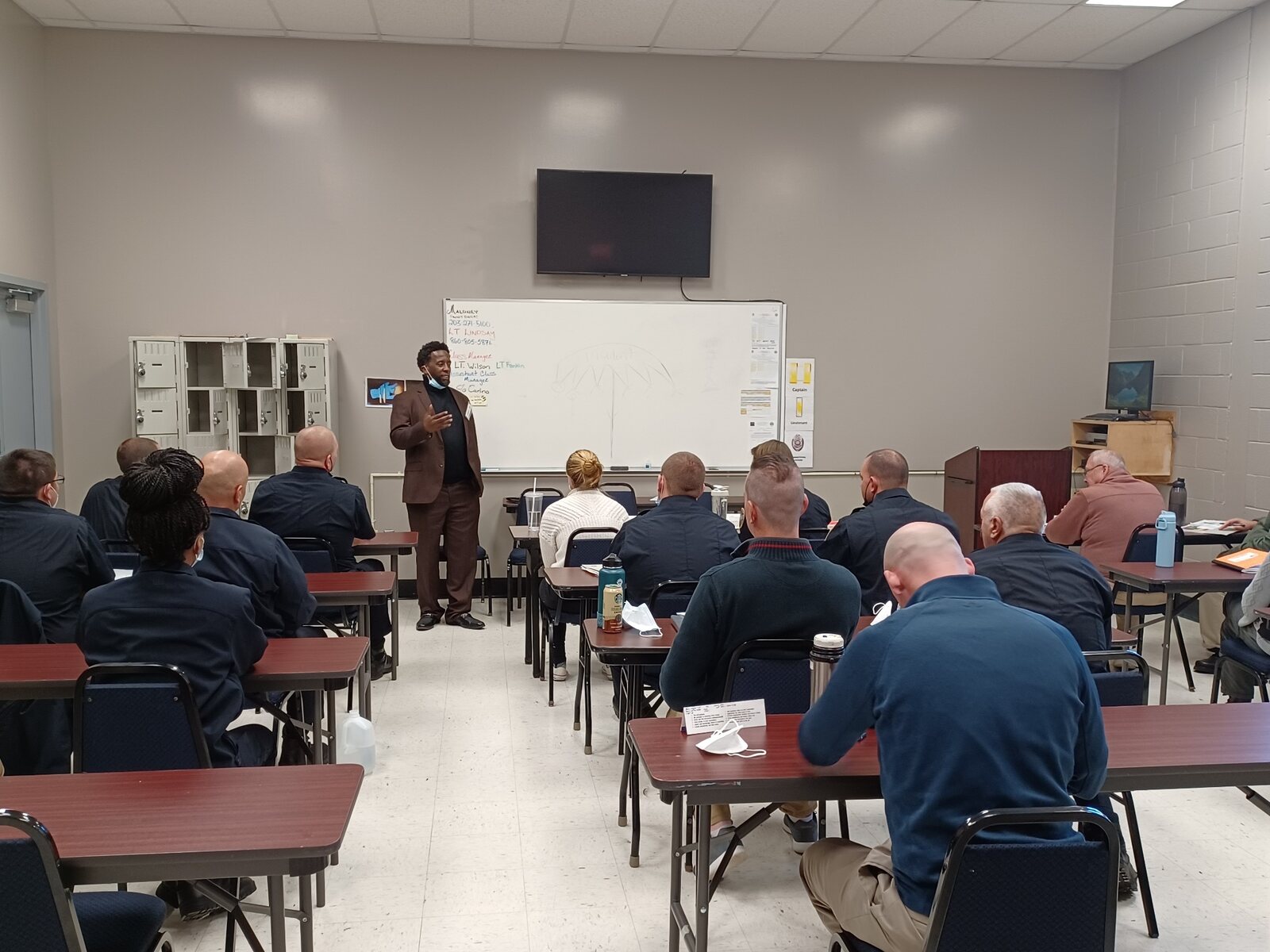
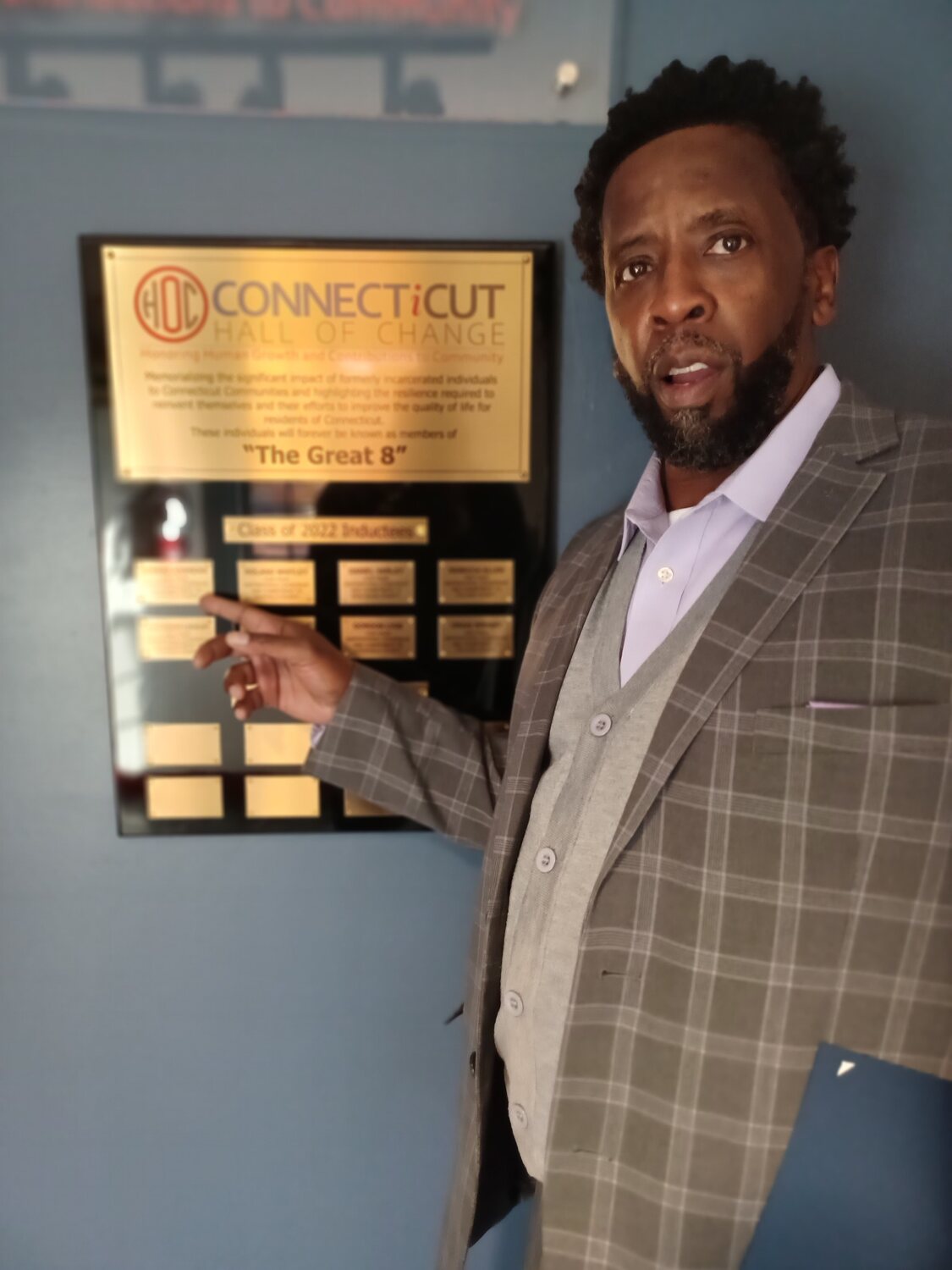
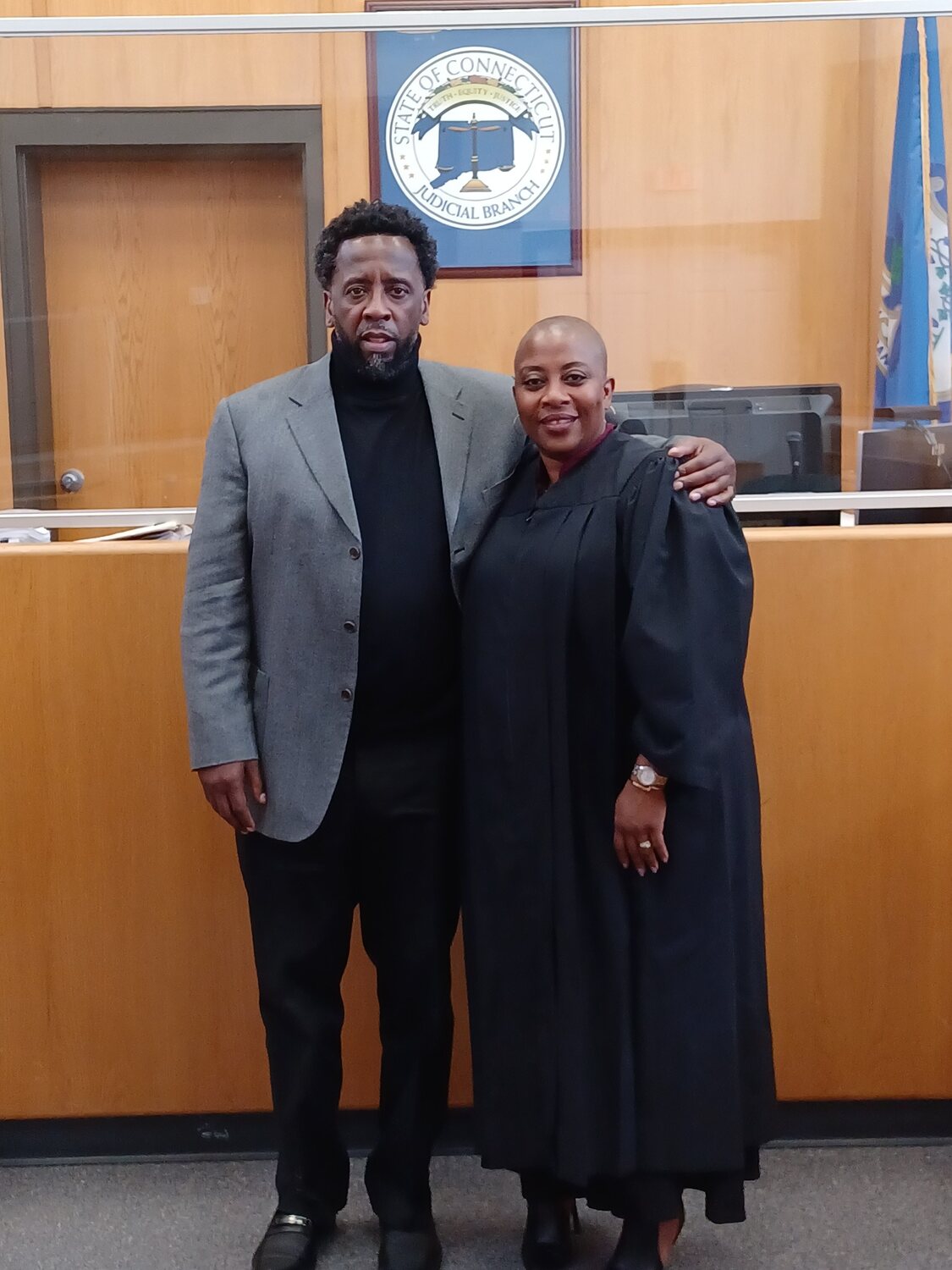
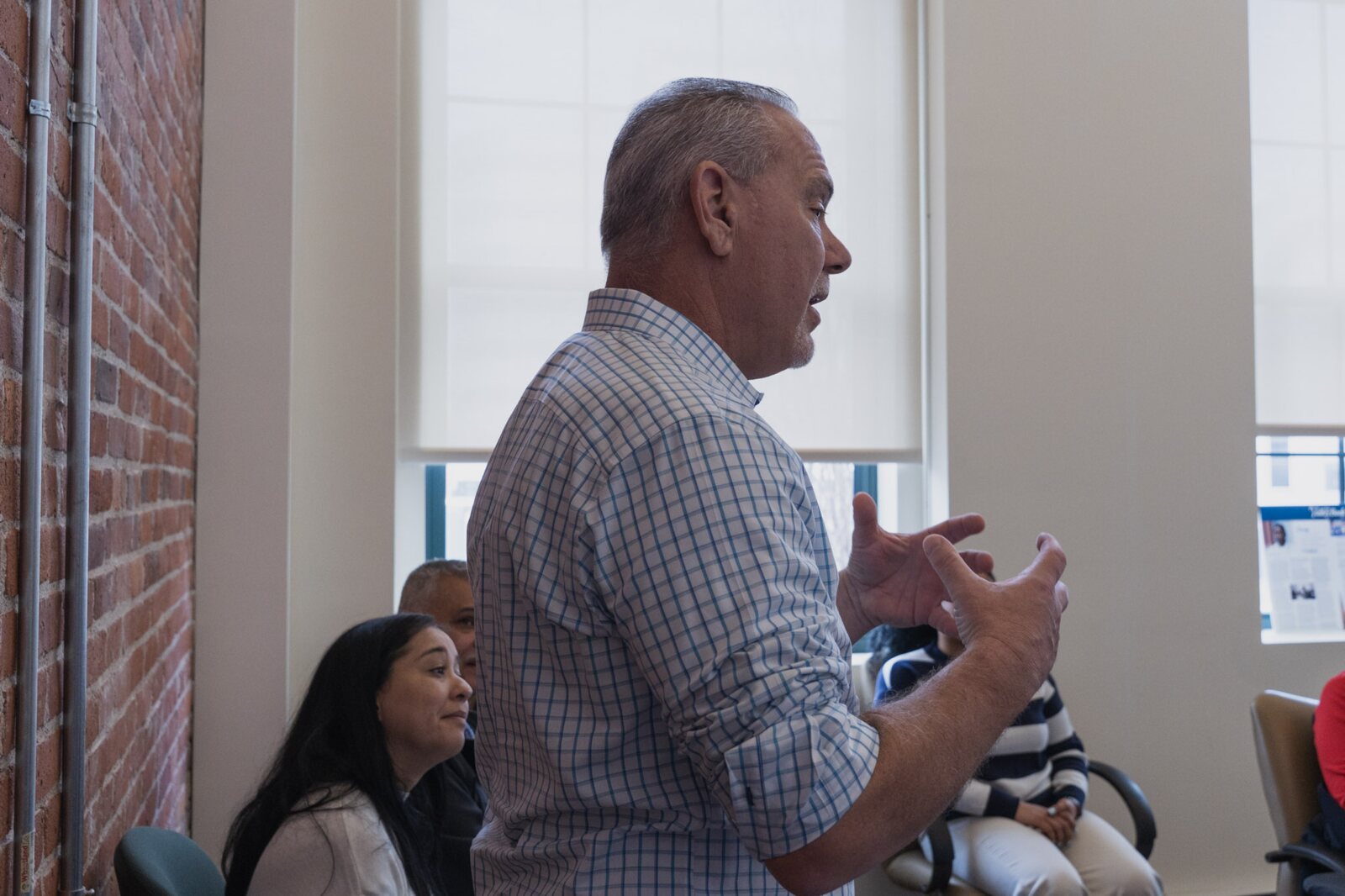
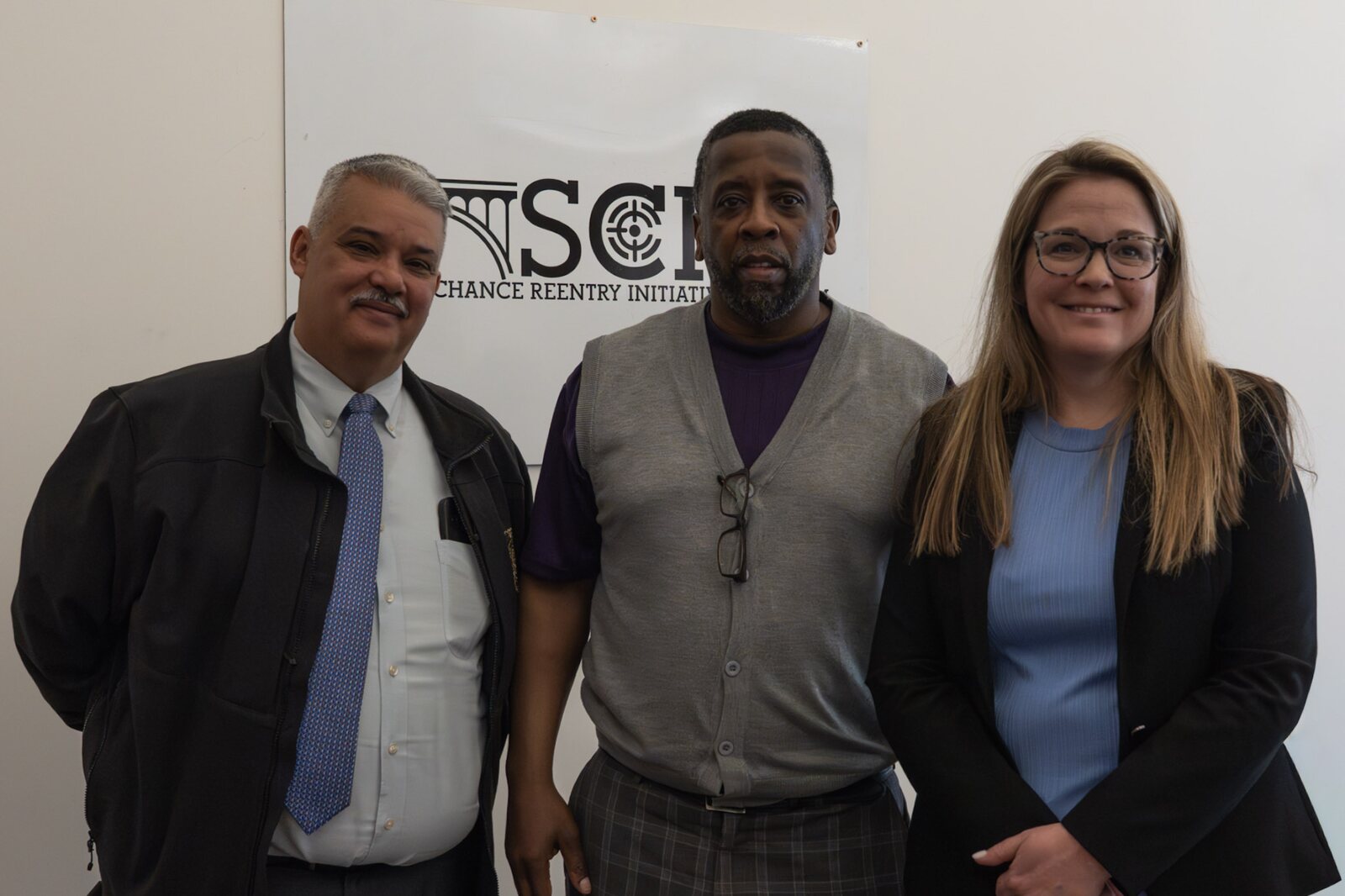
Edward’s work reaches beyond SCRIP’s program rooms—from preparing future correctional professionals to building relationships with leaders across Connecticut’s justice and civic systems.
Leadership philosophy
A person’s history matters, but it does not have to define the limits of their future.
Lasting change requires the courage and support to examine trauma, patterns, choices, and relationships.
Compassion becomes more powerful when it is paired with clear roles, standards, documentation, and follow-through.
Completion is meaningful, but progress must also be observed in behavior, stability, employment, connection, and sustained freedom.
The people behind the work
SCRIP’s strength comes from professionals who respect each other’s role and work together around the whole person.
Meet SCRIP’s Board of DirectorsCoordinates program operations and helps turn SCRIP’s model into consistent, participant-centered service.
Connects participants and young people to practical resources, referrals, follow-up, and individualized support.
Brings clinical social-work and addiction expertise to SCRIP’s trauma-informed programming and participant support.
Brings licensed clinical social-work expertise to SCRIP’s collaborative, trauma-informed approach.
Guides young people in podcasting, storytelling, production, and the confidence to use their voices.
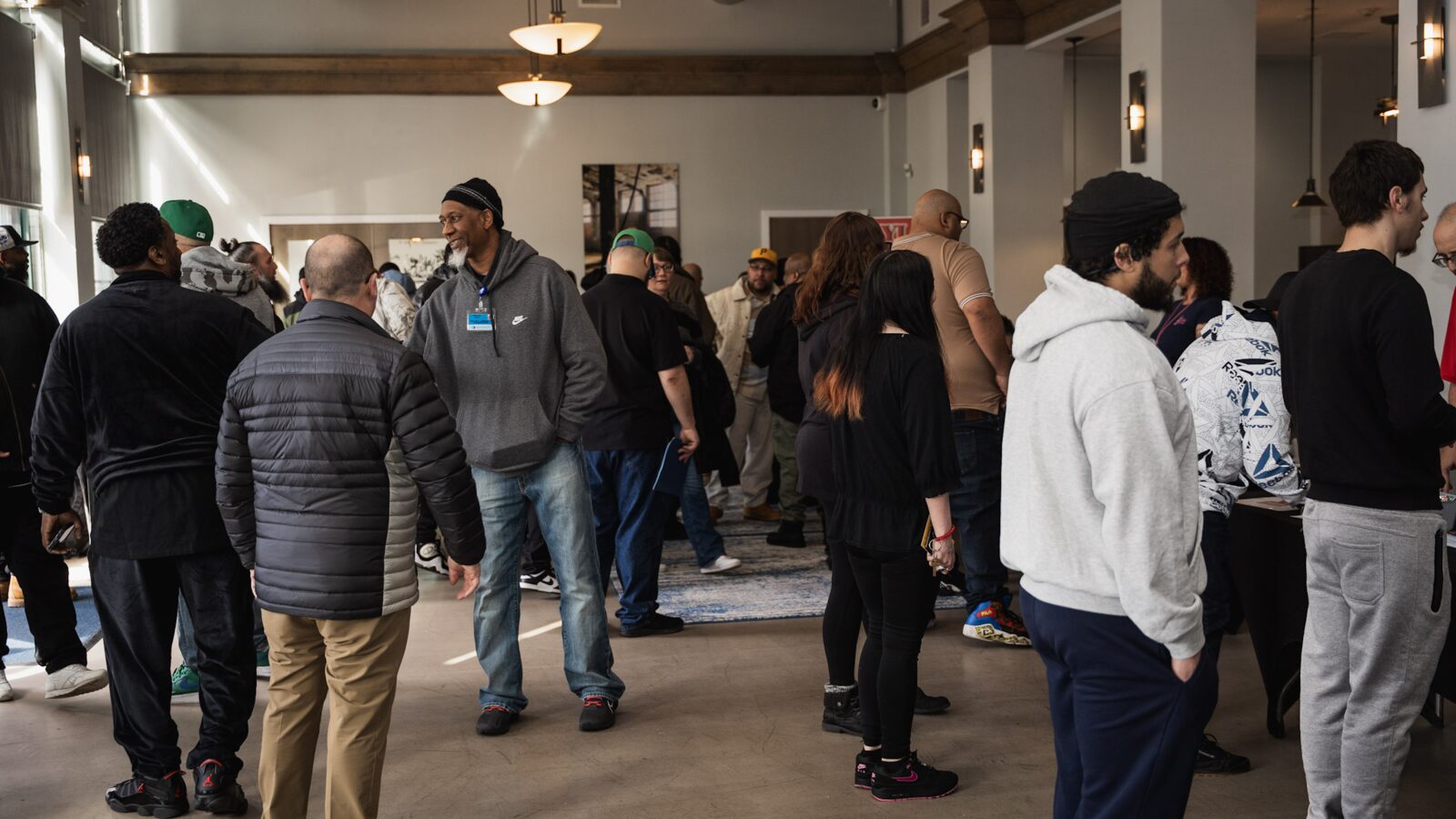
One team, distinct roles
ASCEND and SCRIP’s youth programs are intentionally collaborative. Facilitators teach. Clinicians address clinical concerns. Case managers connect participants to resources. Mentors and media professionals create opportunity and belonging.
Explore SCRIP’s programsInvite Edward to speak · Explore a partnership